
Fabric & Craft
Natural vs Synthetic Fabric: What Touches Your Skin Matters
On a hanger, the two can look surprisingly similar. Against your skin, over a long day, they behave very differently.
What Is the Difference Between Natural and Synthetic Fabric?
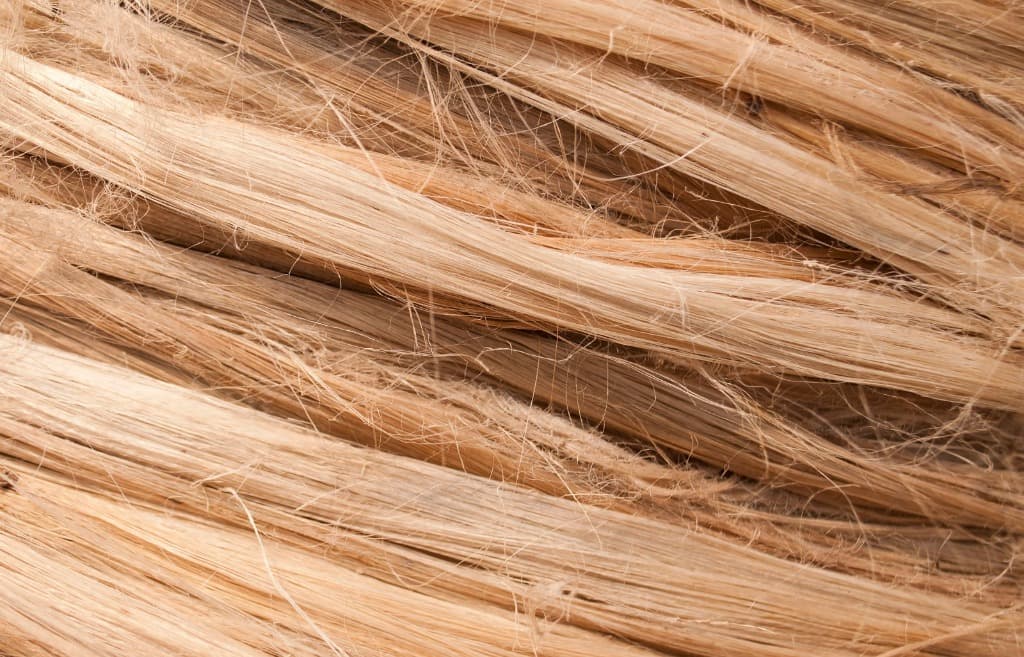
Natural fabrics come from the earth. Cotton grows on a plant, linen is spun from flax, and wool is shorn from sheep. People have worn them for thousands of years, long before the word "synthetic" existed.
Synthetic fabrics such as polyester, nylon, and acrylic are made in factories, largely from petroleum. They became common only in the last century because they are cheap to produce, quick to manufacture, and resistant to wrinkles.
On a hanger, the two can look surprisingly similar. Against your skin, over a long day, they behave very differently.
How Synthetic Fabrics Affect Your Skin
Your skin is your largest organ. It breathes, sweats, and reacts to whatever sits on it for hours at a time.
Skin complaints like itching, redness, and persistent irritation are increasingly common, and most people never think to connect them to their clothes. Dermatologists do. Synthetic fibres tend to trap heat and hold moisture against the body, creating a warm, damp environment where rashes and flare-ups of conditions like eczema can thrive. Many synthetic garments are also treated with chemical finishes to feel softer or resist creasing.
The discomfort is often quiet. A faint itch by evening. A collar that never quite settles. A restless night. Most of us simply accept it.
Why Natural Fabrics Are Better for Your Skin
Natural fibres breathe. They let air move and moisture escape, helping your body regulate its own temperature instead of working against it.
Linen stays cool in the heat. Cotton softens with every wash. Wool keeps you warm without leaving you damp.
When these fibres are grown organically, without synthetic pesticides or fertilisers, and finished without artificial treatments, there is simply less standing between you and the cloth. Fewer unknowns. Less for your skin to contend with. Just fabric doing what fabric was always meant to do.
Is a "Natural Blend" Good Enough?
Many labels read "mostly cotton" or "cotton-rich." It sounds reassuring. But even a small percentage of polyester changes how a fabric breathes, how it ages, and how it feels by the end of a long day.
A blend is a compromise made for the factory, not for the wearer. It pills sooner, holds odour longer, and rarely improves with time.
If what touches your skin matters, the only number worth looking for is 100.
How to Tell If Your Clothes Are Truly Natural
Start with the label, but don't stop there. Ask specific questions.
What exactly is the fibre? Is it organic? Has it been chemically treated? Who made the garment, and how long did it take?
A genuine answer has materials, processes, and people behind it. Vague words like "eco" or "conscious" rarely do.
You can also trust your hands. Natural fabric has weight, texture, and character. Synthetic fabric often feels uniform in a way nothing grown from the earth ever is.
Why Aryavela Uses Organic Fabric Only
Consider the book you love most. Not the pristine copy on the shelf, but the one you actually read. The spine cracked where you paused. The corners softened by your thumbs. It is no longer new, and that is exactly why it is yours.
We believe clothing should age the same way.
Every Aryavela piece is made from an organic fabric. No synthetic fibres, not even in a blend. No artificial processes. Each garment is stitched by hand, carrying a quiet individuality no machine can replicate. We make slowly, because clothes made in a hurry are rarely made to last.
Over time, the fabric softens where you move most. It shapes itself to your shoulders and relaxes at the elbows. It begins to carry your traces, the way a well-read book carries its reader.
Because what touches your skin every day should be something you'd trust for a lifetime.